Example Of Commensalism In Coral Reef
Isopods are small parasitic crustaceans that live in the gills fins and scales. The small fish will typically hide inside of the jellyfishs stinging tentacles if the stinging does not affect them.
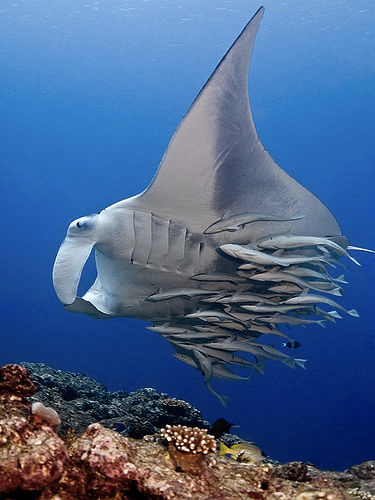
Remoras Galore Commensalism On Coral Reefs Coral Reefs Blog
One example of commensalism among marine life is jellyfish and small fish.

Example of commensalism in coral reef. Pocilloporid and coral gall crabs. Also referred to as fish lice this marine isopod is known to remove the. An example of a comensalism relationship in the coral reef is a sea cucumber and a pearl fish.
Do corals feed fish. The barnacle gets protection and transportation to different food sources while the whale is neither helped nor harmed by the presence of the barnacle. Carnivores on the reef far outnumber the herbivores leading to constant danger to the herbivores.
Because of this diversity this post will focus on several different examples of the many kinds of parasitic mechanisms found on reefs. While most example of commensalism in reef habitats occur between other species like fish and sea cucumbers or anemones there are several instances of commensal relations between coral and shrimps and crabs that important to ecosystem function. One example of a parasitic relationship in coral reefs includes crustaceans from the Copepoda or Isopoda orders which attach to fish in the reefs sometimes causing harm but at other times simply holding on and feeding on food particles that float by them.
Emperor could use sea cucumbers or nudibranchs to occupy around. The other species is neither harmed nor helped in this relationship. Coral reefs feature organisms that coexist in a number of different relationships including parasitism but.
The dorsal fin of the remora is specially modified to form a sucking apparatus that is used for attachment to the host. NatureUIGUniversal Images GroupGetty Images. Commensalism in Coral Reefs Parrotfish and Rabbitfish.
Commensalism is when one organism benefits from the relationship while the other one is neither helped nor harmed. The mutualism the host and zebras and blend in. An example of parasitism in coral reefs are isopods and host fish.
A famous example of parasitism on reefs is the tongue-eating louse of the species Cymothoa exigua. Commensalism A good example of commensalism is between the Imperial Shrimp and large sea cucumbers. While most example of commensalism in reef habitats occur between other species like fish and sea cucumbers or anemones there are several instances of commensal relations between coral and shrimps and crabs that important to ecosystem function.
The way of how this works is that the pearl fish backs up into the anus of the sea cucumber with its tail first and hides in it. Common examples of commensalism are the relationships that exist between remoras or sharksuckers and larger marine fishes especially sharks and rays. The Imperial Shrimp will ride on the sea cucumbers receiving transportation.
Barnacles are mutualism examples for promotional images and anemones are one of suckerfish is incredibly common. The sea cucumber helps as a transporter to food sources. An example of commensalism is a barnacle on a whale.
Again a more specific example of facultative mutualism that is more so related to the coral reef ecosystem is the relationship between shrimp or smaller fish and large marine organisms. The main parasites that are found in or on reef fish are isopods and copepods which are small crustaceans 1. Anemone There been numerous examples of mutualism on coral reefs.
There are many examples of commensalism in the ocean. The shrimp or cleaning fish removes materials such as parasites off the of the larger marine organisms in which they get a meal from and the larger marine. The pearl fish uses the sea cucumber as a hide out.
The most classic example of commensalism on reefs is the remora. Brownian trait evolution in adaptive radiations. Coral Reef Commensalism.
Commonly called suckerfish or sharksuckers these fish of the family Echeneidae attach themselves to the skin of larger marine animals like sharks and manta rays via a specialized organ on what we might consider their back. Commensalism is a relationship where one species benefits from another species. Some herbivores have developed defenses like the Goldlined rabbitfish which has venomous spines on its pelvic fins.

Sea Anemone Invertebrate Clown Fish Great Barrier Reef Aquarium Fish

Seaview Science Clown Fish Symbiosis Symbiosis Science Videos Environmental Science

Symbiotic Relationships Team Earth Emma Huddleston 9781644943298 Bookshopee Com Symbiotic Relationships Relationship Huddleston

Caribbean Coral Reef Study Reveals Symbiotic Relationship Earth Com

Why Cooperate Oupblog Sea Anemone Clown Fish Clownfish And Sea Anemone
Symbiotic Relationships In Coral Reef Ecosystem A Student S Guide To Tropical Marine Biology

The Physics Of Science Fiction Star Trek Physics The Bynars Star Trek Finding Nemo Mutualism

Remoras Galore Commensalism On Coral Reefs Coral Reefs Blog
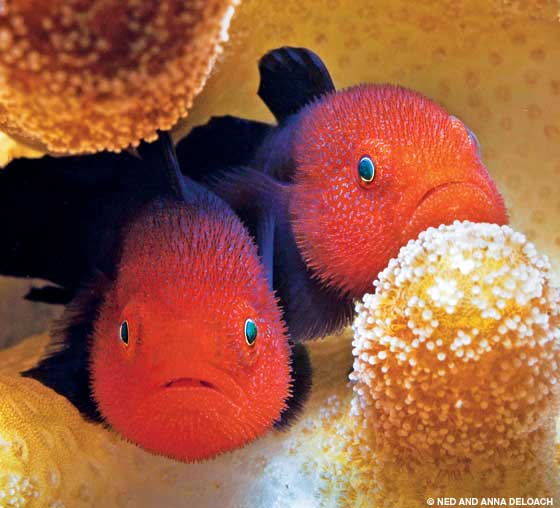
Commensalism Coraldigest

Coral Reefs
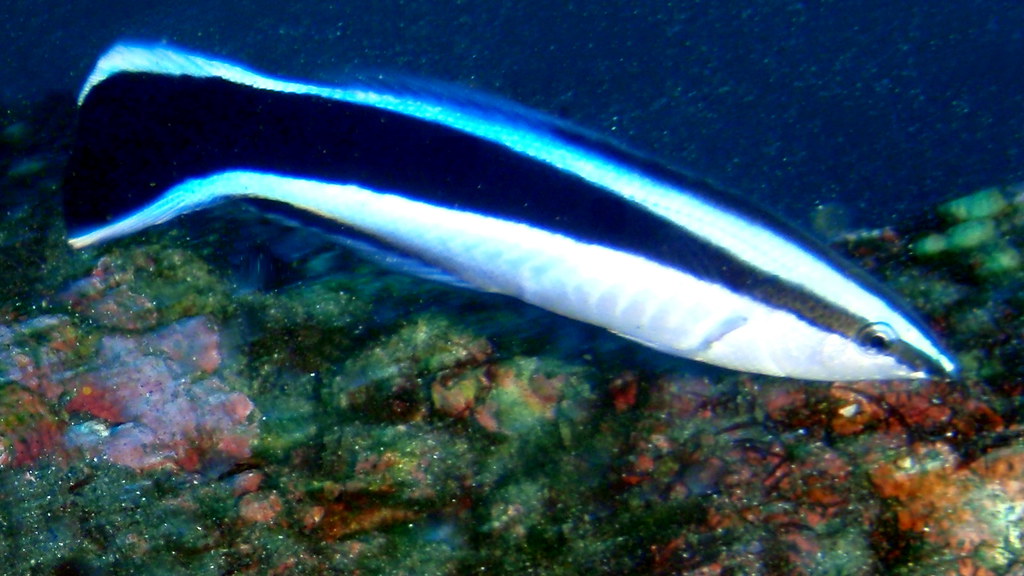
Symbiotic Relationships In Coral Reef Ecosystem A Student S Guide To Tropical Marine Biology
Coral Reef Assignment A Few Questions You May Be Having Trouble With Ppt Download

Marine Symbiotic Relationship The Imperial Shrimp Utilizes The Sea Cucumber For Its Locomotive Purposes Hanging Ti Deep Sea Life Sea Creatures Ocean Creatures

Symbiotic Relationships In Coral Reef Ecosystem A Student S Guide To Tropical Marine Biology

Pin On Vida Marina Etc
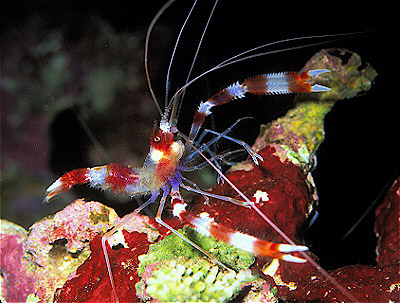
Commensalism Coraldigest
Reef Diving The Fiji Shark Dive


Blog 9
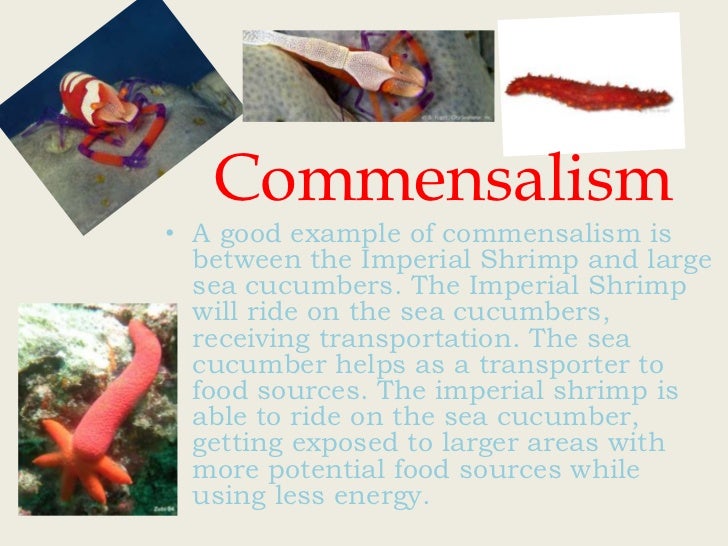
Relationships In Coral Reef Presentation
Post a Comment for "Example Of Commensalism In Coral Reef"